Pastoral Outlook
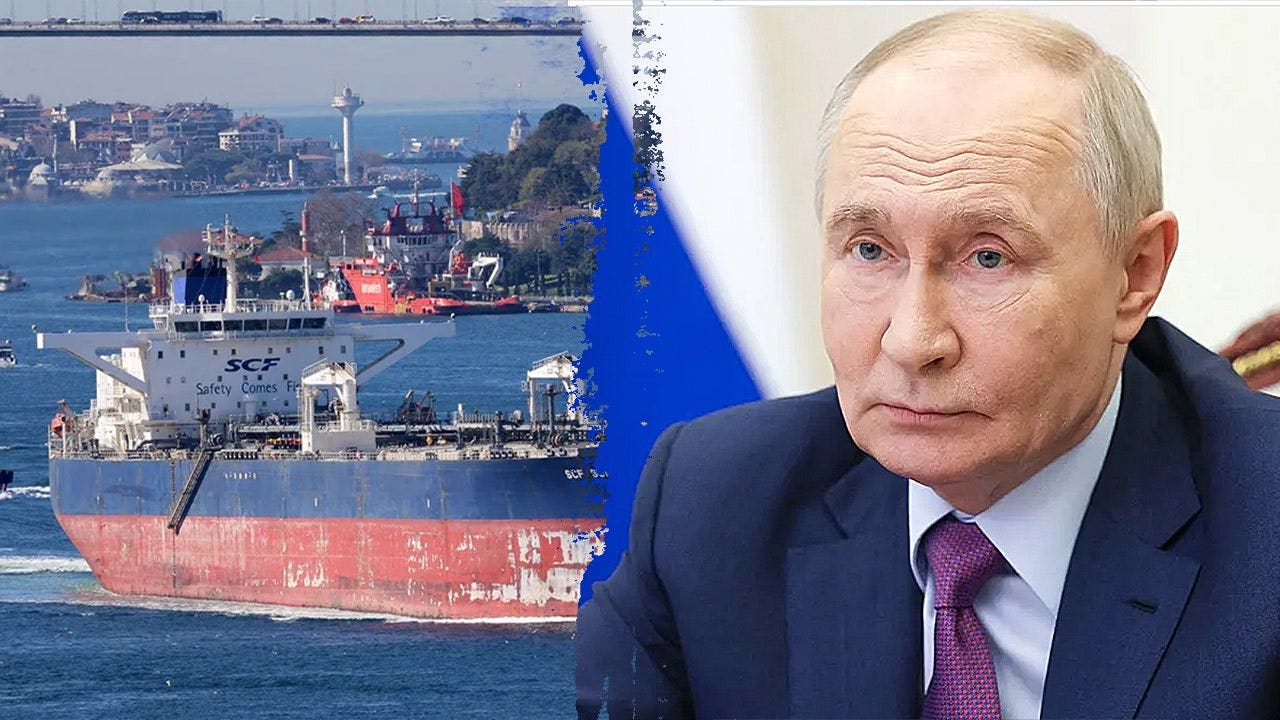
An analysis by environmental watchdog Urgewald using Kpler commercial shipping data found that of 140 cargoes exported from Russia's Yamal LNG project between January and June 2026, 136 were delivered to ports in European Union countries. Urgewald estimates those shipments were worth about €5.96 billion (roughly $6.8 billion) based on benchmark European gas prices. France was listed as the destination for 51 cargoes, Belgium 37 and Spain 34; China received four cargoes in the same period. The figures reflect port deliveries rather than the legal purchaser or the cargo’s final destination within Europe. EU officials and others noted some deliveries were likely frontloaded ahead of restrictions and that many imports remain tied to long-term contracts scheduled to end in 2027. The EU has adopted phased bans on Russian gas under long-term contracts (LNG ban effective Jan. 1, 2027; pipeline gas ban effective Sept. 30, 2027). The data were reported amid broader policy efforts: NATO allies are increasing defense spending, U.S. lawmakers and the administration are advancing proposals for secondary sanctions on buyers of Russian energy, and EU ministers approved additional sanctions targeting Russian energy export networks. Commentators and political leaders have framed continued purchases as a tension between energy security, market realities, and efforts to limit Russia’s war revenues during the war in Ukraine.
The report highlights a painful moral and practical tension: European countries are trying to reduce Russia’s ability to finance war while also meeting immediate energy needs for people, industry, and stability. The article’s framing (especially in headlines) risks simplifying a complex reality into moral blame, but the underlying data do show substantial revenue likely flowing to Russia in 2026. Christian discernment calls for both truth and compassion: truth in naming how economic choices can enable harm, and compassion for civilians and policymakers facing tradeoffs—households, hospitals, and economies cannot pivot instantly. The piece also exposes a political worldview that privileges accountability through sanctions and moral clarity; at the same time it underplays contractual obligations, market logistics, and the humanitarian costs of sudden energy shortages. A faithful response holds multiple convictions together: oppose injustice and aggression, pursue policies that reduce funding for violence, and care for vulnerable neighbors who would suffer from abrupt energy disruption. Christians should press for honest reporting of facts (not exaggerated causal claims), advocate for practical, just policy solutions (energy alternatives, targeted measures that limit harm to civilians), and model humility about the limits of quick fixes in global markets and geopolitics.Thought to Remember
“Truth and justice require both clear moral judgment and patient, practical love for those who suffer in the short term.”