News Summary
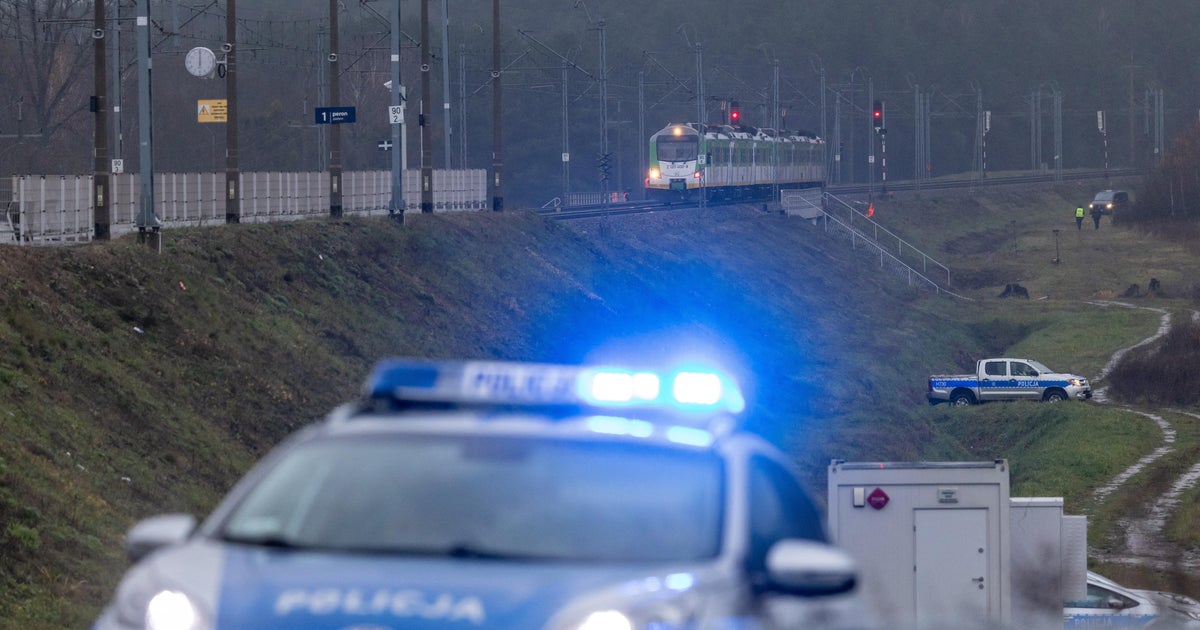
France said it will summon Russia's ambassador after identifying what it called a large cyber campaign across Europe allegedly orchestrated by Russia's FSB. The EU announced sanctions on nine individuals and four entities accused of involvement; the bloc said the campaign targeted companies, government ministries and service operators across about a dozen European countries and included efforts to infiltrate governmental networks and sabotage critical infrastructure. The EU named officers linked to Russia's GRU, cybercriminals, hacktivists and private companies among those sanctioned. The U.K. announced separate sanctions on 24 individuals and entities for related "cyber and hybrid operations." Targeted countries named by EU officials include France, Germany, Poland, Cyprus, the Netherlands, Austria, Slovakia, Romania and Finland. Governments cited prior incidents attributed to Russia or its proxies, including an alleged November 2025 Polish railway explosion, a foiled Swedish attack on a thermal power plant, and an alleged FSB plot to attack Poland's energy grid that the U.K. said might have cut electricity for 500,000 people. Western officials have framed these actions as part of broader "hybrid warfare" below the threshold of open war; the Kremlin denied allegations and criticized the coalition condemning it. France said it has strengthened cyber defenses and detected the attacks.
Biblical Reflection
The article reports government accusations and punitive measures rather than judicial findings; politically charged intelligence claims are often the most persuasive available evidence in national security contexts, but they are still allegations with serious consequences. From a Christian perspective, the demands here are twofold: pursue truth and protect the vulnerable. Truth requires careful discernment — asking what evidence is public, how intelligence assessments are corroborated, and what motives actors (including media and states) may have in framing events. Protecting the vulnerable means taking seriously credible threats to critical infrastructure that could endanger civilians, while also resisting dehumanizing rhetoric about entire peoples. The piece reflects a Western security worldview that treats covert cyber operations as a new arena of conflict and responds with sanctions and diplomatic pressure; that approach prioritizes deterrence and collective defense. Christians should be alert to two dangers in that worldview: haste to assume guilt without transparent evidence, and normalizing a near‑permanent state of hostility that erodes opportunities for reconciliation. At the same time, pursuing justice and the common good can require firm, proportionate measures to prevent harm. Practically, humility (acknowledging limits of public information), courage (protecting communities), and mercy (maintaining space for restraint and dialogue) should shape how believers receive and respond to such reports.
Scripture in context
This outlook does not yet include contextual Scripture citations. Do not treat a general biblical theme as an exegetical conclusion.
Faithful Response
No prescribed response is offered. Consider the reflection prompts below in your own church context.
Reflection and Discussion
- 1How much of this narrative rests on classified intelligence versus verifiable public evidence, and how should that affect our certainty?
- 2Do our instinctive responses to alleged aggressions tend toward dehumanization of 'the enemy' or toward measured protection of civilians and infrastructure?
- 3What balance should justice and restraint have when states respond to covert actions that fall short of declared war?
Sources
Reporting links are evidence inputs; Sanctuary News' biblical reflection is commentary.
This outlook currently relies on fewer than two linked sources. Broaden verification before teaching from it.
- 1.Original reportprimary