News Summary
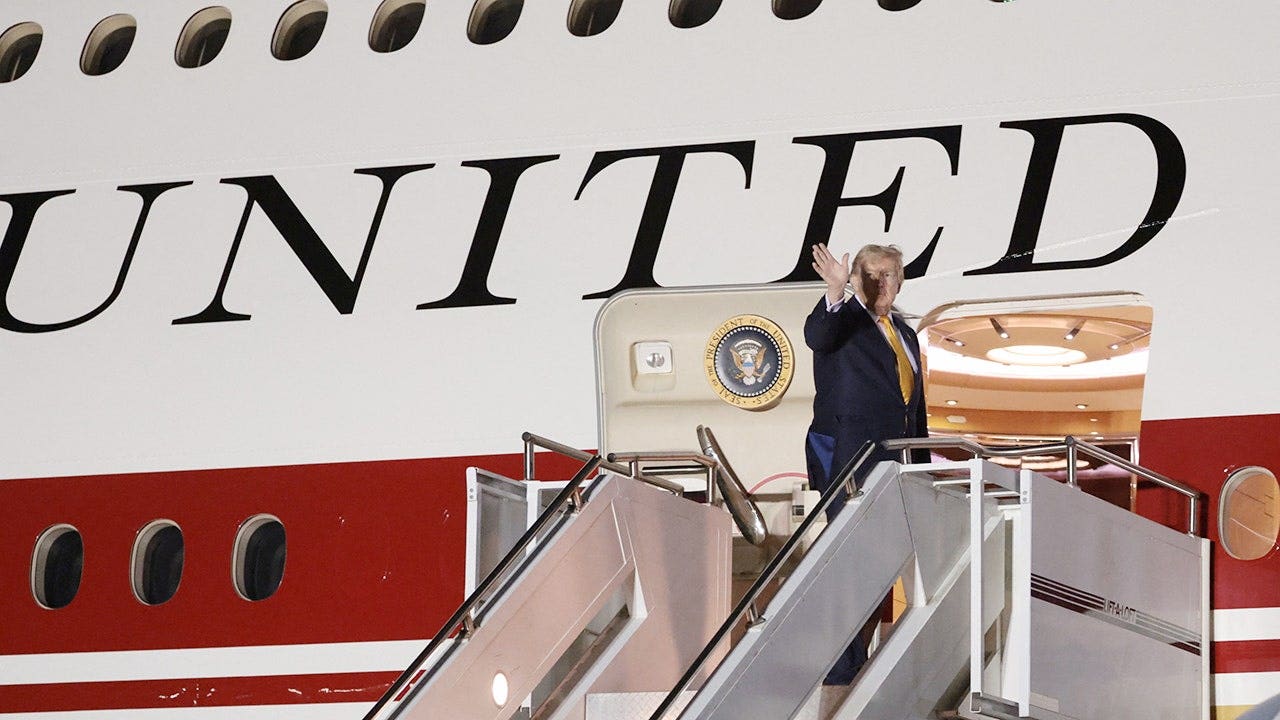
Federal prosecutors subpoenaed four New York Times reporters — Eric Lipton, Julian E. Barnes, Tyler Pager and Eric Schmitt — requiring them to testify before a Manhattan federal grand jury in a leak investigation tied to a Times story about President Trump’s use of a newly retrofitted Boeing 747-8 gifted by Qatar. Some subpoenas were reportedly delivered to the reporters’ homes. The contested Times article, citing anonymous sources, reported that the Secret Service recommended a last‑minute switch from the Qatari‑gifted jet to an older, purpose‑built presidential aircraft because the new plane lacked certain security and countermeasure technologies. The swap occurred after the president flew to a NATO summit in Turkey and then traveled to RAF Mildenhall in England before proceeding to Joint Base Andrews. The White House and President Trump have denied that security concerns motivated the swap, saying the stop allowed service members to view the new plane; Trump also emphasized he regularly faces threats. The Department of Justice stated its investigation targets leakers of classified national security information and asserted reporters are not the target, while the Times’ lawyer criticized the law enforcement presence at reporters’ homes as troubling for press freedom.
Biblical Reflection
This story sits at the intersection of legitimate national security concerns and the public’s right to know. Governments have a real duty to protect classified information that could endanger lives or operations; at the same time, a free press functions as a check on power and helps the public assess whether officials are acting responsibly. The use of grand jury subpoenas to compel testimony from journalists raises valid fears about chilling investigative reporting, especially when reports rely on anonymous sources for sensitive national security matters. Christians should watch for two temptations: uncritical defense of power in the name of security, and reflexive defense of media outlets without scrutinizing methods or sources. The biblical temper calls us to seek truth with humility and to insist that secrecy be exercised to protect the vulnerable, not to shield wrongdoing. Evaluate claims on evidence: anonymous sourcing can be necessary, but it demands careful standards; government claims of national‑security necessity should be specific and subject to oversight. Pray for fairness, due process, and institutions that both protect national safety and allow responsible accountability through reporting.
Scripture in context
This outlook does not yet include contextual Scripture citations. Do not treat a general biblical theme as an exegetical conclusion.
Faithful Response
No prescribed response is offered. Consider the reflection prompts below in your own church context.
Reflection and Discussion
- 1Which principles should weigh more heavily when they conflict here — protecting classified information or preserving a free press — and why?
- 2How does reliance on anonymous sources affect our ability to discern truth, and what standards should we expect from both journalists and the government in such cases?
- 3Are there ways Christians can advocate for both national security and press freedom without defaulting to partisan loyalties?
Sources
Reporting links are evidence inputs; Sanctuary News' biblical reflection is commentary.
This outlook currently relies on fewer than two linked sources. Broaden verification before teaching from it.
- 1.Original reportprimary