News Summary
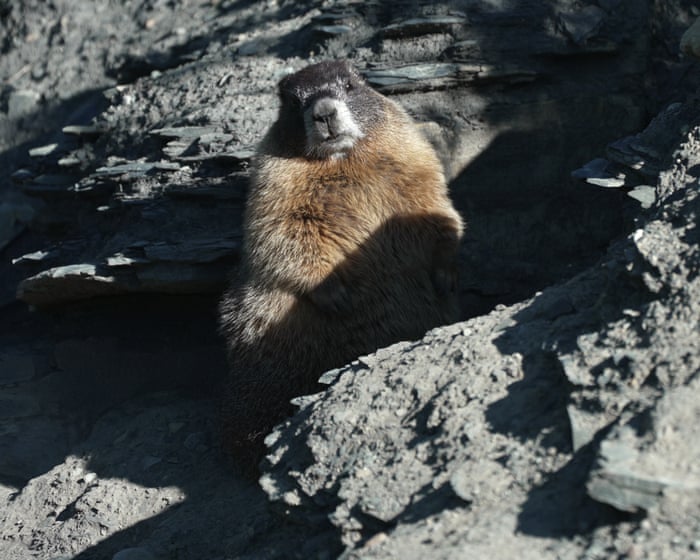
Researchers at the Rocky Mountain Biological Laboratory ran an inaugural public-facing event called Fat Marmot Week in 2026 featuring eight yellow-bellied marmots. A marmot named Dawn was announced as the champion. The Guardian reports Dawn won both a measured mass-gain competition and a popular-vote contest and attributes the contest to organizers of the marmot project at the Rocky Mountain Biological Laboratory; that same Guardian reporting also states researchers used an OnlyFans account as part of fundraising tied to the project. NPR independently corroborates that Dawn was crowned the fattest marmot by popular vote. Key methodological and financial details are not reported in the supplied accounts: how mass gain was measured, vote totals and procedures, animal-welfare safeguards, and how any funds raised (including via OnlyFans) were used or accounted for.
Source and Framing Analysis
The Guardian provides the more detailed account in the supplied material: it names the winner (Dawn), reports she won both the mass-gain and popular-vote components, specifies eight yellow-bellied marmots competed, identifies the Rocky Mountain Biological Laboratory marmot project as organizer, and uniquely reports that researchers turned to OnlyFans as part of fundraising. NPR’s supplied excerpt is briefer and corroborates the popular-vote result (that Dawn was crowned by popular vote) but does not mention the mass-gain outcome, number/species of marmots, the laboratory, or fundraising details. Both outlets use a novelty, human-interest framing (a playful “fat marmot” contest) that helps explain public interest but tends to emphasize entertainment over methodological, ethical, or financial specifics. Because neither source in the supplied excerpts provides measurement protocols, vote counts, animal-welfare statements, or financial figures, important evaluative questions about research integrity and ethics remain unresolved. Attribution: Guardian (distinctive details listed above); NPR (corroboration of popular-vote result).
Free every morning
Get the Daily Briefing
The stories shaping today—sourced carefully and considered through Scripture. No outrage bait.
Confirm by email. Unsubscribe at any time.
How sources covered this story
Sanctuary separately assesses reporting quality and alignment with Christian virtues. The virtues assessment considers truthfulness, dignity, compassion, justice, peacemaking, humility, and care for vulnerable people. It does not assess a publisher's faith or reward religious language.
Compare 2 reports
Reporting 78/100Virtues 75/100
- Distinctive contribution
- Identifies the contest structure (mass-gain and popular-vote), the species and number of marmots, the organizer (Rocky Mountain Biological Laboratory), and the fact researchers turned to OnlyFans to support the long-running research project.
- Framing
- Light, human-interest framing with a playful tone; mixes scientific-research provenance (research project, lab organizers) with pop-culture fundraising detail (OnlyFans) to explain why the contest exists.
- Omissions or uncertainty
- No vote totals or margins reported; no dates for the contest; no information on how mass-gain was measured or how the popular vote was conducted; no specifics on the OnlyFans campaign (timing, funds raised, ethical safeguards). The excerpt does not quote researchers or present methodology.
- Why these scores
- The excerpt is specific and attributes the event to project organizers and the Rocky Mountain Biological Laboratory, giving clear, verifiable facts (winner name, contest types, number/species). It lacks methodological detail and quantitative data (vote counts, measurement methods, fundraising amounts), but as a short human-interest item the wording is clear and not misleading. The piece treats animals and researchers non-dehumanizingly and provides useful contextual attribution (research project, lab), showing respect for truth and institutional provenance. It is lighthearted rather than exploitative; however the excerpt does not include explicit concern for animal welfare, ethical commentary on fundraising methods, or voices from those affected, so it falls short of higher scores for explicit compassion or justice framing.
Reporting 70/100Virtues 70/100
- Distinctive contribution
- Concise independent confirmation that Dawn won the popular-vote portion of the contest.
- Framing
- Succinct, headline-like; presents the outcome plainly without additional context or color.
- Omissions or uncertainty
- No details on the contest structure, whether Dawn also won mass-gain, number/species of marmots, organizers, vote counts, timing, or fundraising background (OnlyFans). No sourcing or methodological detail in the supplied text.
- Why these scores
- The excerpt is clear and narrowly factual, appropriate for a quick news tease/headline. Its usefulness is limited by brevity and lack of supporting detail, but there is no sign of inaccuracy or misleading phrasing in the supplied text. Neutral, non-sensational phrasing that conveys a factual result without demeaning subjects or exploiting imagery. The excerpt is too short to demonstrate active compassion, justice concerns, or deeper humility, so it merits a baseline positive score for straightforward truthful reporting.
Biblical Reflection
This lighthearted event highlights creative approaches researchers use to sustain long-term ecological study and to engage the public with the natural world. From a Christian perspective, we can appreciate efforts that deepen understanding of creation and inform stewardship. At the same time, truth, mercy, justice, humility, and care for vulnerable neighbors (including animals and the public’s trust) call for transparent, accountable fundraising and clear animal-welfare safeguards. Christians should pray for researchers and the creatures they study, support good science, and ask prudent questions about methods and finances so generosity does not unintentionally condone practices that undermine dignity or public trust.
Scripture in context
- 1Genesis 1:26–31 — Scripture framing about human responsibility within creation and the call to name and steward the living world. — The Fat Marmot Week episode invites Christians to consider stewardship: supporting research that increases our knowledge of creation is part of caring for the earth, and choices about fundraising and public engagement should honor the dignity of animals and the trust of the public.
- 2Matthew 25:14–30 (Parable of the Talents) — Scriptural teaching about being entrusted with resources and the expectation of faithful, prudent stewardship. — The parable encourages prudence and faithful use of resources: project leaders and donors alike should seek accountability and transparency about how funds are raised and spent.
Faithful Response
Pray for the researchers at the Rocky Mountain Biological Laboratory, for the marmots observed in the study, and for wisdom in decisions about fundraising and animal care.
Affirm the public value of long-term ecological research while asking for transparent, verifiable information about how funds are raised and used.
Before donating or amplifying fundraising appeals, request clear answers about animal-welfare protocols, how mass measurements are collected and recorded, and what platforms and content are used to raise money.
Support reputable institutions and verified campaigns that demonstrate ethical treatment of animals and financial accountability; offer congregational education (for example, a forum with a local scientist) to help parishioners give wisely.
Encourage researchers and institutions to communicate both the scientific purpose and the ethical safeguards of public-facing events so public interest does not eclipse scientific integrity or animal dignity.
Free every morning
Get the Daily Briefing
The stories shaping today—sourced carefully and considered through Scripture. No outrage bait.
Confirm by email. Unsubscribe at any time.
Reflection and Discussion
- 1Does the novelty-focused framing (a public “fat marmot” contest) help or distract from the scientific work and its public value?
- 2When researchers use unconventional fundraising methods to sustain important public goods, how should Christians weigh effectiveness against concerns about dignity, transparency, and witness?
- 3What specific questions should a donor or congregation ask before supporting a fundraising campaign tied to scientific research?
- 4How can congregations support long-term ecological research in ways that protect animal welfare, scientific integrity, and public trust?
Sources
Reporting links are evidence inputs; Sanctuary News' biblical reflection is commentary.
- 1.‘Humongous’ marmot crowned winner in inaugural Fat Marmot Week contestprimary_reporting
- 2.Exclusive: Meet the inaugural winner of Fat Marmot Weekadditional_reporting