News Summary
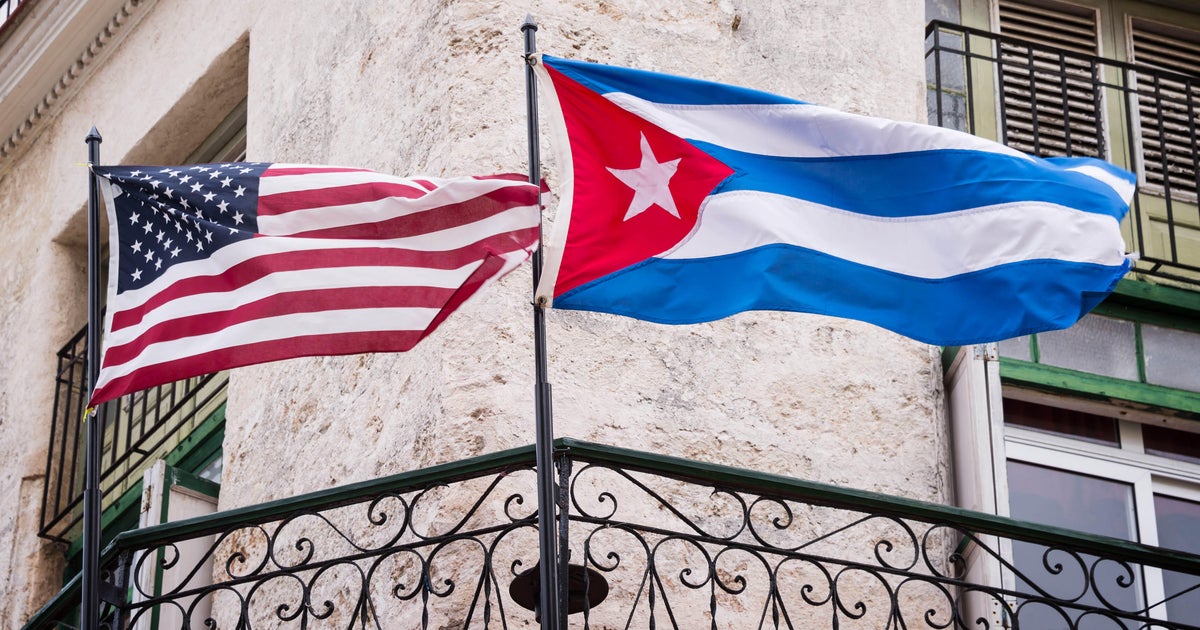
Cuban Deputy Prime Minister Oscar Pérez-Oliva Fraga told NBC News the government plans to allow Cuban nationals living abroad—including those in the U.S.—to invest in companies on the island, potentially including large infrastructure projects. The move would mark a notable shift from decades of tight state control and follows limited private-sector reforms begun in 2021. The announcement comes as Cuba faces a collapsing energy grid, public protests, and severe economic stress. The article links the policy change to pressure from the Trump administration, which has threatened tariffs on countries shipping oil to Cuba and maintained sanctions that limit U.S. investment and financial transactions with entities tied to Cuba’s military or intelligence services. President Trump has made public statements suggesting aggressive action and a possible “friendly takeover.” Analysts caution that legal barriers, sanctions, and unclear protections for investors make the prospects and benefits of foreign investment uncertain.
Biblical Reflection
This story sits at the intersection of two Biblical concerns: care for the vulnerable and the ethical use of power. On one hand, opening investment to diaspora Cubans and foreign companies could relieve suffering, restore infrastructure, and create livelihoods—actions Christians should welcome when they promote human flourishing and steward resources wisely (see Proverbs on honest dealings). On the other hand, the motives and methods behind policy shifts matter. Threats of tariffs, talk of takeover, and use of economic coercion raise moral red flags: Scripture warns against using power to oppress the poor or to enrich the powerful at the expense of the vulnerable (e.g., Isaiah’s and Amos’s critiques of unjust rulers). Christians should be wary of policies—foreign or domestic—that prioritize geopolitical advantage or partisan triumphalism over the well-being of ordinary people. There is also a pastoral caution about rapid privatization or investment without strong safeguards: when investments flow into a fragile system without transparent rule of law, they can entrench elites, enable militarized control of resources, and leave ordinary citizens worse off. A Christian response calls for praying for protection and provision for Cubans, advocating for policies that prioritize human dignity and justice over spectacle, and supporting avenues of aid and engagement that increase accountability and local flourishing rather than deepen dependence or exploitation.
Scripture in context
This outlook does not yet include contextual Scripture citations. Do not treat a general biblical theme as an exegetical conclusion.
Faithful Response
No prescribed response is offered. Consider the reflection prompts below in your own church context.
Reflection and Discussion
- 1How can I pray for and support policies or actions that protect ordinary people in Cuba rather than simply advance geopolitical aims?
- 2Where might economic openings be opportunities for genuine restoration, and where might they create new risks of exploitation?
- 3Amid talk of power and takeover, how can Christians model humility, seek justice, and love mercy in public life?
Sources
Reporting links are evidence inputs; Sanctuary News' biblical reflection is commentary.
This outlook currently relies on fewer than two linked sources. Broaden verification before teaching from it.
- 1.Original reportprimary