Cuba Plunged into Island-Wide Blackout Amid Deepening Energy and Fuel Shortages
Read original source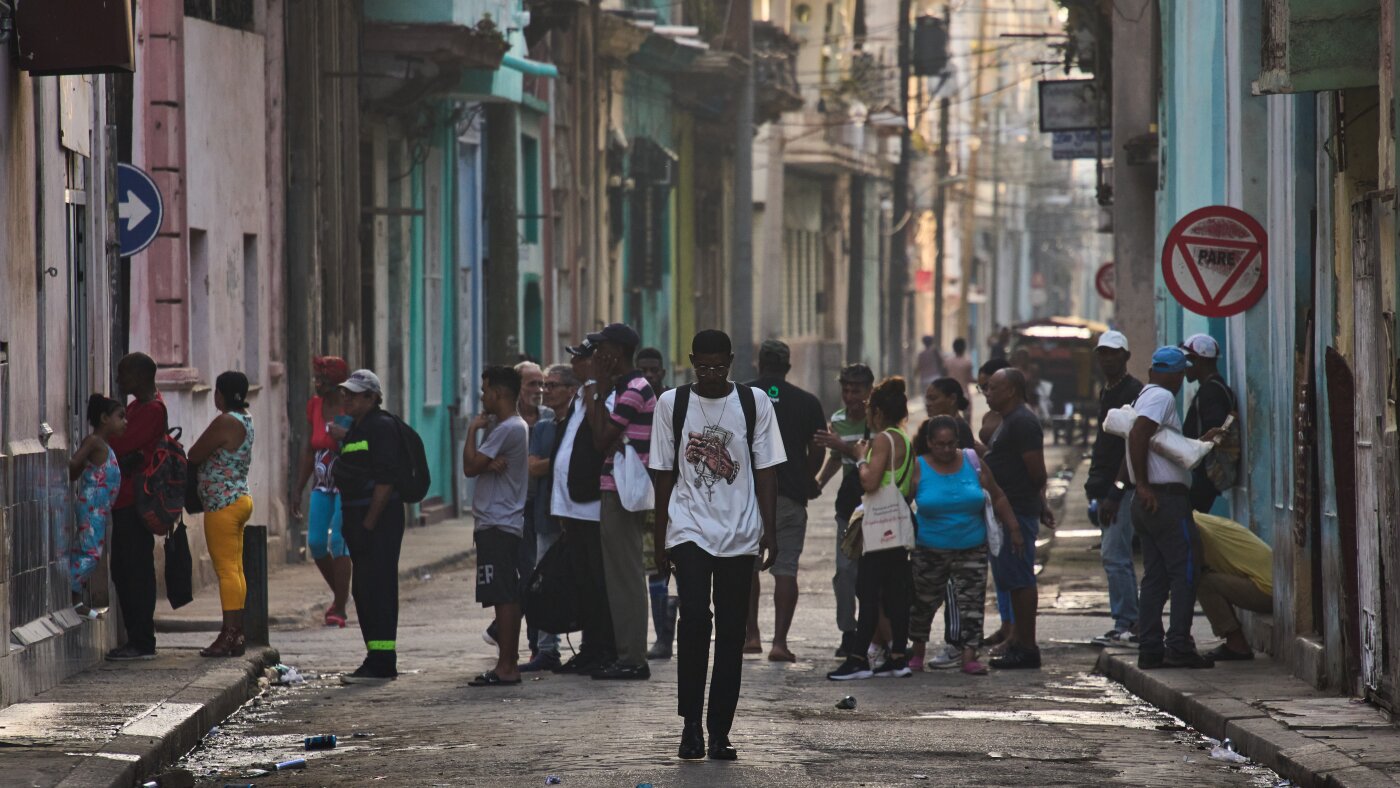
Scriptural Outlook
Cuba experienced an island-wide blackout affecting about 11 million people after a "complete disconnection" of its electrical system, according to the Ministry of Energy and Mines. President Miguel Díaz-Canel said the country has not received oil shipments in more than three months and is relying on solar power, natural gas and thermoelectric plants; the shortfall has forced postponement of tens of thousands of surgeries and repeated outages in parts of the island. Cuba blames an effective U.S. energy blockade after President Donald Trump warned of tariffs on any country supplying oil to Cuba. The article also reports that critical oil shipments from Venezuela were halted after the U.S. attacked Venezuela and arrested its then-president, Nicolás Maduro. Cuba produces about 40% of its petroleum but that production has not met demand; Cuban officials said they are investigating the blackout and holding talks with the U.S. as the crisis deepens.
This story presents several overlapping moral concerns the Scriptures call Christians to address: the immediate human suffering of ordinary people, the responsibilities of civic leaders, and the moral costs of geopolitical power plays. Biblically, our first response should be to the vulnerable — those without electricity in extreme heat, patients whose surgeries are delayed, families in need of food and medicine. Jesus consistently identifies with the suffering (Matthew 25) and calls his followers to practical mercy, not partisan scoring. At the same time, Scripture calls leaders to stewardship and justice. A government’s duty is to protect and provide for its people (see the prophets on social justice and the New Testament counsel for rulers and authorities). When infrastructure fails, congregations should ask: were resources mismanaged, neglected, or diverted? Is truth and transparency present in the reporting and decision-making? Christians must resist cynical simplifications: political blame can be real, but it is rarely the whole story. The article’s claims about U.S. attacks and arrests raise questions about accuracy and motive; discipleship requires pursuing truth before assigning ultimate moral culpability. The church is called both to lament and to act. Lament acknowledges suffering and seeks God’s help; action looks like practical aid, advocacy for humanitarian access, and prophetic witness that calls for repentance where injustice or neglect is found. Christians should advocate for immediate relief (fuel for hospitals, food, and medical care), pray for wisdom for leaders, and press for policies that protect the least advantaged rather than deepen their suffering. Finally, this crisis is a reminder that material systems are fragile; Christians are called to wise stewardship of creation and to pursue policies and practices that sustain life rather than weaponize scarcity."Matthew 25:35-36 (NIV): "For I was hungry and you gave me something to eat, I was thirsty and you gave me something to drink, I was a stranger and you invited me in, I needed clothes and you clothed me, I was sick and you looked after me, I was in prison and you came to visit me.""