News Summary
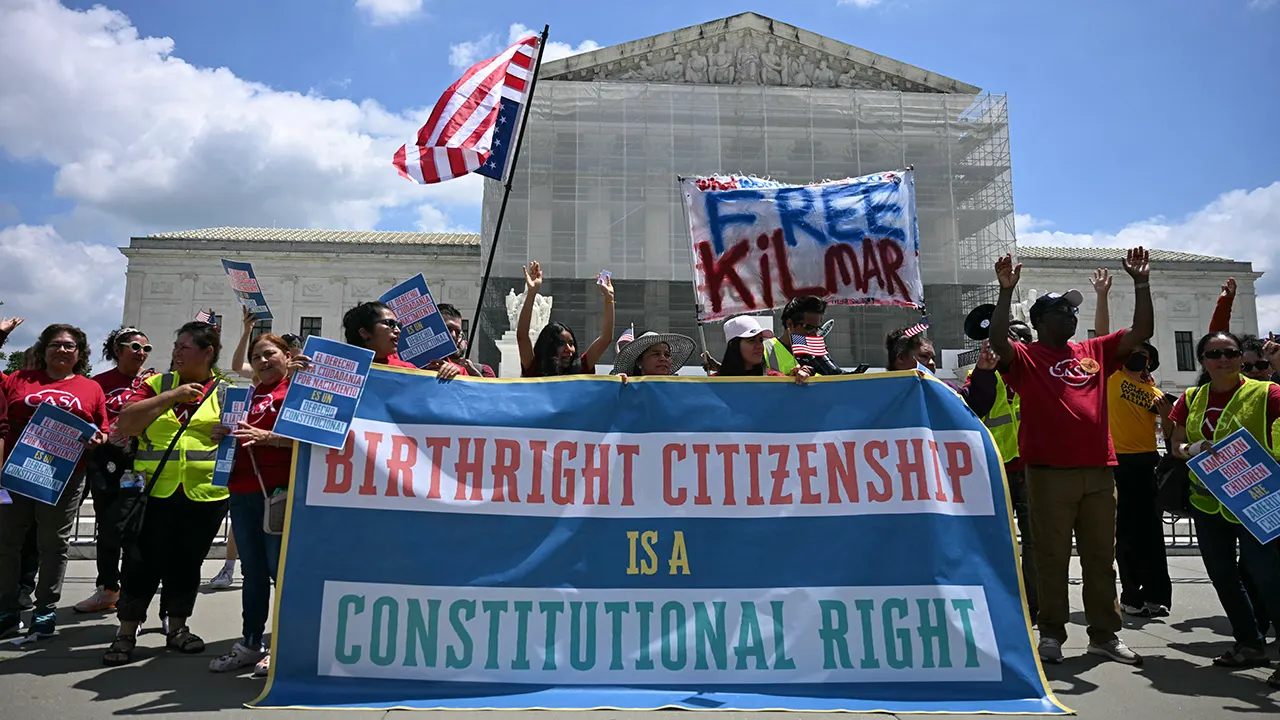
Sen. Jim Banks announced he will introduce the Citizenship Act when the Senate reconvenes; the bill would amend the Immigration and Nationality Act to exclude children born in the United States to people the bill labels statutory “invaders,” i.e., unauthorized entrants and birth tourists, from birthright citizenship. Banks frames the bill as codifying President Trump’s 2025 executive order that called unlawful migration an “invasion” and cites Justice Brett Kavanaugh’s concurrence in a recent Supreme Court case (referred to as Trump v. Barbara) suggesting Congress could change the statutory framework. The article notes the Supreme Court majority, led by Chief Justice Roberts, relied on the 1898 Wong Kim Ark precedent to reaffirm broad birthright citizenship protections and rejected the executive order as conflicting with federal statute; it also references other opinions noting limited exceptions (diplomats’ children, enemies in hostile occupation). Banks’ bill invokes constitutional provisions about Congress’s power over naturalization and Article IV’s guarantee against invasion, and argues some migration can be tied to foreign influence or territorial claims. The piece quotes Banks characterizing the Court decision as an assault on sovereignty and describes the bill’s stated purpose to prevent exploitation of the immigration system by unauthorized entrants and foreign birth-tourism networks.
Biblical Reflection
The proposal raises weighty legal and moral questions. Legally, Congress does have authority over statutes governing naturalization and related procedures, but the Fourteenth Amendment’s guarantee of citizenship to those born “in the United States” remains a central constitutional question that the courts will likely revisit; the article accurately reports that justices offered competing readings. Pastoral reflection must weigh two responsibilities: a commitment to rule-of-law and national security, and the biblical call to treat immigrants and their children with dignity. Rhetoric in the article — repeatedly using terms like “invaders” — flattens complex human situations and risks dehumanizing people who are often vulnerable. That kind of language can make policy easier to pass politically but harder to reconcile with mercy and neighbor-love. A truthful and humble Christian response should insist on careful legal deliberation and evidence before redefining personhood or removing rights, consider the practical consequences for children (including statelessness and family separation), and resist alarmist framing that substitutes fear for sober problem-solving. Christians can advocate for secure borders and orderly law while also protecting the dignity and legal rights of children and families caught in migration systems.
Scripture in context
This outlook does not yet include contextual Scripture citations. Do not treat a general biblical theme as an exegetical conclusion.
Faithful Response
No prescribed response is offered. Consider the reflection prompts below in your own church context.
Reflection and Discussion
- 1How does labeling people as “invaders” change public perception and the moral imagination we bring to immigration policy?
- 2What safeguards should Christians insist on so that changes to citizenship rules do not create stateless children or unjustly punish those who had no choice in their place of birth?
- 3Are claims of foreign-directed birth tourism and territorial reconquest being supported with clear evidence, or are they serving as rhetorical justification for broader policy aims?
Sources
Reporting links are evidence inputs; Sanctuary News' biblical reflection is commentary.
This outlook currently relies on fewer than two linked sources. Broaden verification before teaching from it.
- 1.Original reportprimary