News Summary
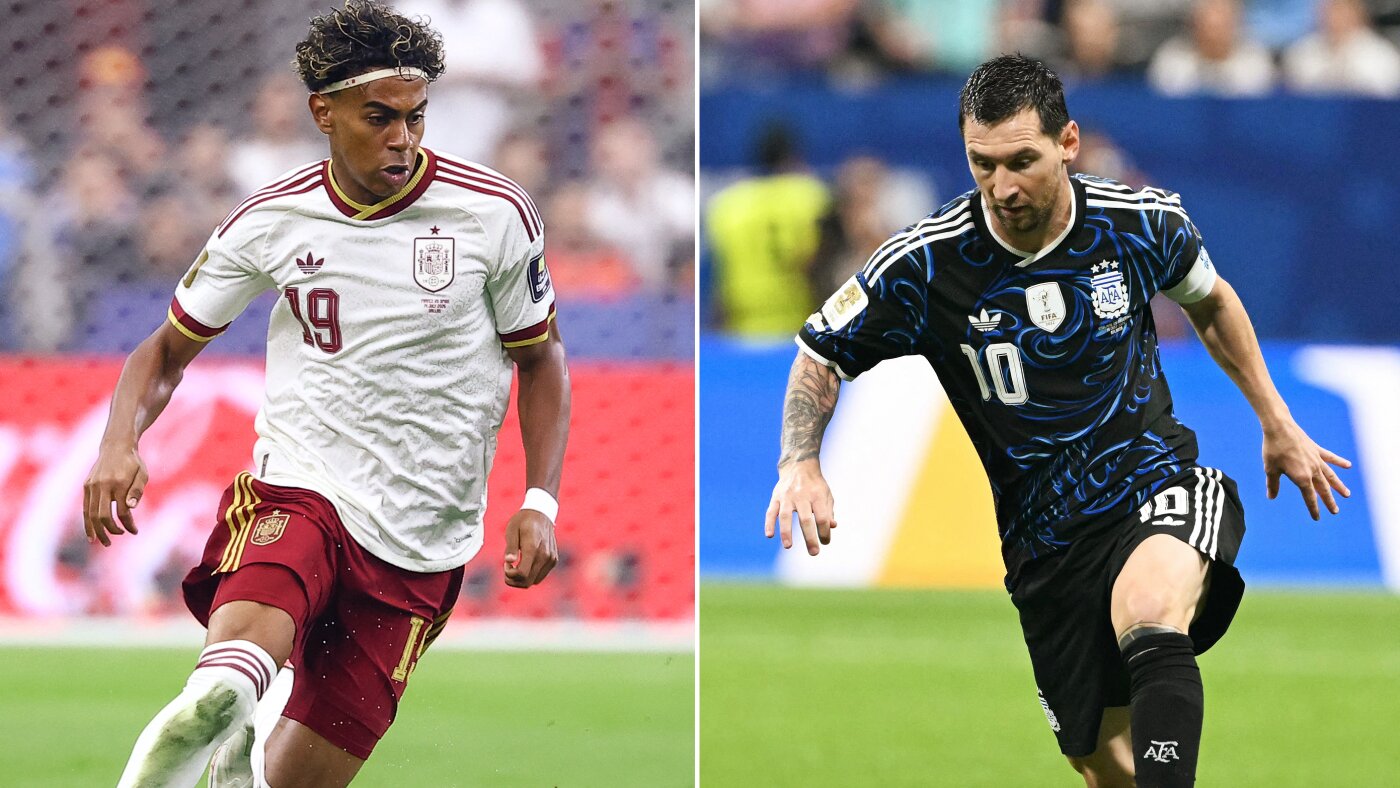
Reported facts: NPR reported that Argentina and Spain would play the 2026 World Cup final at MetLife Stadium in East Rutherford, N.J., with kickoff at 3 p.m. ET and an expected crowd of about 80,000; the piece described prior local wildfire smoke and a recent downpour, and noted high secondary-market ticket prices. NPR and corroborating CBS reports documented Spain’s defensive record (one goal conceded in seven matches), Spain’s knockout wins over Portugal, Belgium and France, Lamine Yamal’s prominence and age (19), and Lionel Messi’s role and tournament statistics. Attributed claims and interpretation: coaches’ quotes about the opponent and Messi’s status were attributed to speakers; the narrative framed the match as a generational meeting between Messi and Yamal and emphasized Argentina’s recent international success. Uncertainties: specific ticket price data and some injury or medical details (Yamal’s earlier quad injury) are reported but not independently verified in the supplied corroborating pieces; one small inconsistency in the NPR article about Messi’s goal totals across different sentences merits clarification from official tournament statistics.
Source and Framing Analysis
Source role and framing: NPR’s piece is primary human-interest reporting aimed at a general audience, emphasizing narrative (Messi vs. Yamal) and atmosphere (weather, crowd). CBS provided corroborating statistical and historical context. Missing voices: the article amplifies players, coaches and fan atmosphere but omits perspectives of lower-income fans, stadium staff, local community impact, ticket-market intermediaries, and medical sources regarding player injuries. Incentives: both outlets have editorial incentives to highlight dramatic narratives and star stories that draw readers. Disputed claims / verification needs: ticket-price figures on secondary markets and precise injury diagnoses or timelines should be independently verified; Messi’s tournament totals should be confirmed against official FIFA statistics. Overall, major factual claims about teams, match setting, and broad statistics are supported by corroborating reporting.
Free every morning
Get the Daily Briefing
The stories shaping today—sourced carefully and considered through Scripture. No outrage bait.
Confirm by email. Unsubscribe at any time.
Biblical Reflection
This article is straightforward sports reporting with human-interest emphasis: it celebrates athletic excellence and frames the final as a symbolic meeting of generations (Messi and Yamal). The piece largely aligns with verifiable facts about teams, venue and tournament statistics and leans into narratives of heroism and legacy common in sports coverage. From a Christian perspective, such stories can rightly prompt joy, communal celebration, and admiration for skillful gifts — while also reminding readers to avoid idolatry of personalities and to hold athletes and fandom in a posture of humility and gratitude. The article’s worldview privileges spectacle and individual achievement (the ‘great man’ narrative) and downplays economic and access questions (e.g., who can afford attendance) and the labor conditions behind large events. Christians can enjoy the shared human pleasure of sport while resisting the elevation of athletes to ultimate significance, remembering to love neighbors who are excluded by cost or access and to practice hospitality around public celebrations.
Scripture in context
- 1Hebrews 12:1-2 — Hebrews 12 uses athletic imagery to urge a community—emerging from a longer argument about faith—to persevere in a life shaped by Christ, shedding obstacles and fixing attention on Jesus as the model and source of endurance. The wider context includes earlier chapters that recount the faithfulness of the ancestors ('faith hall of fame') and calls readers to live faithfully in response. — The passage invites believers to admire endurance and disciplined effort without idolizing competitors; it calls Christians to run with others in mind, shedding what hinders our witness and keeping our focus on faithfulness rather than fame. Applied to this match, it encourages valuing hard work and teamwork while maintaining humility and a concern for community.
Faithful Response
Individual Christians might: 1) enjoy the event as wholesome recreation and fellowship, using it as an opportunity to build relationships; 2) refuse idolization—acknowledge gifts while giving ultimate praise to God; 3) practice stewardship (avoid paying exploitative prices) and advocate compassion for those priced out of communal celebrations; 4) pray for player safety, ethical event management, and workers’ welfare at large sporting events.
Free every morning
Get the Daily Briefing
The stories shaping today—sourced carefully and considered through Scripture. No outrage bait.
Confirm by email. Unsubscribe at any time.
Reflection and Discussion
- 1Which aspects of the event (spectacle, economics, labor, community) did the coverage prioritize, and what does that selection reveal about cultural values?
- 2How does the heroic narrative around individual athletes shape our expectations for leaders in other areas of life and faith?
- 3When public celebration centers on elite performers, how can Christians remember and advocate for those who serve behind the scenes?
Sources
Reporting links are evidence inputs; Sanctuary News' biblical reflection is commentary.
- 1.Argentina, Spain and their stars Lionel Messi and Lamine Yamal meet in World Cup finalprimary_reporting
- 2.How do Spain and Argentina stack up? World Cup final teams by the numbers.additional_reporting
- 3.Spain and Argentina's World Cup trophy count before 2026 finaladditional_reporting