News Summary
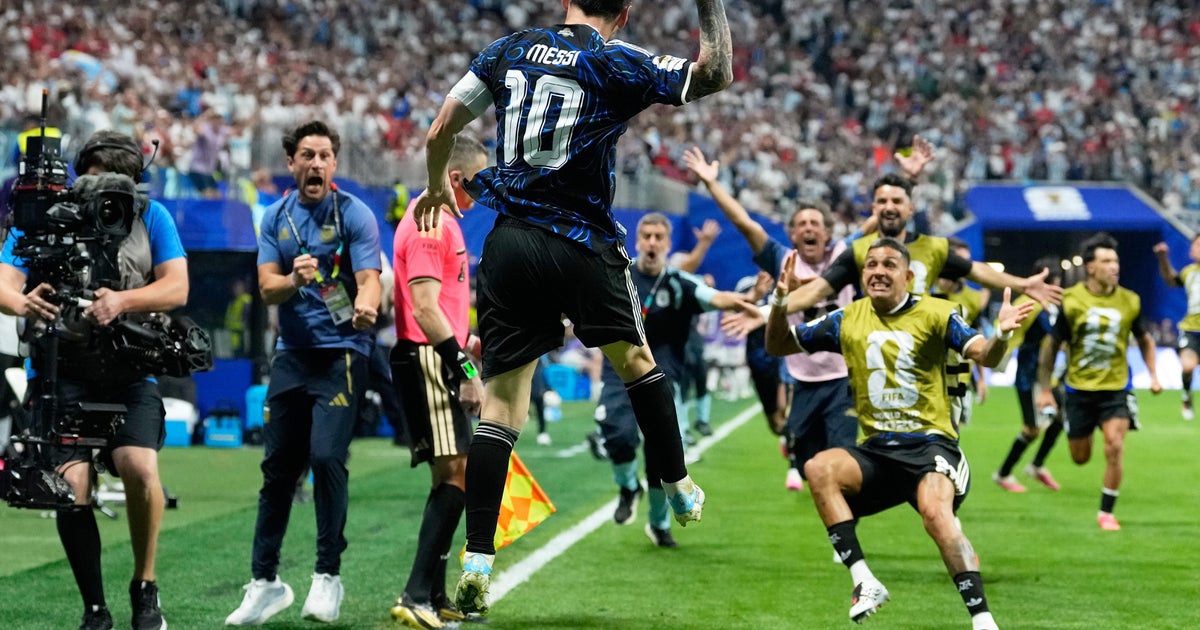
Reported facts: The World Cup final is set for July 19, 2026, at MetLife Stadium, kickoff 3:00 p.m. ET; broadcasters named are FOX and Telemundo; semifinal results cited (Spain 2–0 France in Dallas; Argentina 2–1 England in Atlanta). Tournament start date (June 11 in Mexico City) and the U.S. opening match result (U.S. 4–1 Paraguay) are stated. The article lists halftime performers and notes Golden Boot contenders (Messi and Mbappé with eight goals). Attributed claims and opinion: pundit predictions and commentary (e.g., forecasts that Argentina will win) are opinion. Uncertainties: Full, official confirmation of halftime lineup and final Golden Boot outcome will only be certain after the match and official FIFA statistics.
Source and Framing Analysis
Primary source role: CBS News provided a viewer-oriented logistical guide (when, where, how to watch) and a brief tournament recap. Corroboration: Fox News pieces included match recaps and viewing instructions and offered more match narrative and pundit commentary. Framing and incentives: both broadcasters have incentives to drive viewership and platform engagement (scheduling, streaming instructions, and hype). Missing voices: direct quotes from players, coaches, FIFA officials, stadium/host authorities, and independent statistical confirmation (FIFA match/goal log) are not present. Disputed or opinion claims: analyst predictions and interpretive language are opinion and should not be read as fact. Items needing independent verification: halftime performer lineup and official Golden Boot tallies should be verified with FIFA or official broadcaster releases.
Free every morning
Get the Daily Briefing
The stories shaping today—sourced carefully and considered through Scripture. No outrage bait.
Confirm by email. Unsubscribe at any time.
Biblical Reflection
This article is straight informational sports coverage: it provides logistics (time, channel, stadium), recent match outcomes, and entertainment details. The coverage treats the World Cup as a global cultural event that combines athletic competition and mass entertainment. From a Christian pastoral perspective, such events can foster healthy community and joy, celebrating human excellence and shared experience. At the same time, Christians should notice the commercial and celebrity framing that often accompanies major sports — broadcast rights, halftime spectacles, and pundit predictions — and guard against elevating athletes or spectacle to the status of ultimate meaning. The report aligns with observable facts corroborated by other outlets, though opinionated forecasts in some coverage (e.g., analyst predictions) are not facts. Christians can enjoy the communal aspects of the event while practicing discernment about priorities, time, and where ultimate allegiance lies.
Scripture in context
- 11 Corinthians 9:24-27 — Paul addresses the Corinthian church using athletic metaphors to urge disciplined, purposeful Christian living; he contrasts the temporary rewards of athletic contests with the greater spiritual goal and calls believers to self-discipline. — The passage encourages Christians to admire discipline and intentional effort in sport but reframe those virtues toward pursuing faithfulness, not merely trophies; it cautions against laxness and calls for integrity in competition and in everyday devotion.
Faithful Response
Watch with intentionality: use the match as an opportunity for fellowship, hospitality, and conversation about character rather than as an occasion for excess or idolizing athletes.
Pray for participants and hosts: ask for player safety, fair play, and good stewardship by organizers and broadcasters.
Model sportsmanship: as fans, demonstrate respect for opponents, avoidance of abusive speech, and generosity toward those serving at events.
Free every morning
Get the Daily Briefing
The stories shaping today—sourced carefully and considered through Scripture. No outrage bait.
Confirm by email. Unsubscribe at any time.
Reflection and Discussion
- 1What is the article’s primary purpose (informing logistics, promoting viewership, celebrating drama) and how does that shape what details are included or omitted?
- 2Which voices—players, organizers, local communities, workers—are absent from this coverage, and why would their inclusion matter?
- 3Are opinion and prediction clearly labeled as such, or presented in ways that might be mistaken for fact?
- 4How do commercial incentives (broadcast rights, halftime entertainment) shape the tone and priorities of sports coverage?
Sources
Reporting links are evidence inputs; Sanctuary News' biblical reflection is commentary.
- 1.How to watch the 2026 FIFA Men's World Cup todayprimary_reporting
- 2.How to watch Argentina vs Spain: Live stream the 2026 FIFA World Cup final matchadditional_reporting
- 3.England beats France in instant classic to earn third place at 2026 FIFA World Cupadditional_reporting