News Summary
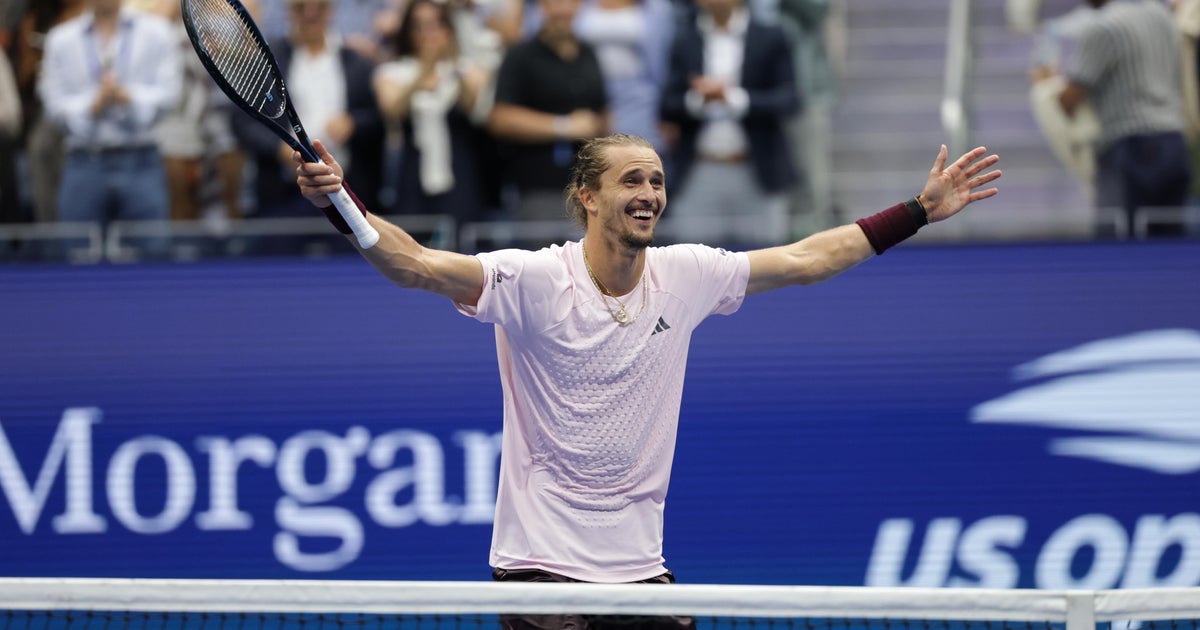
Germany's Alexander Zverev defeated American Ben Shelton to win the U.S. Open singles title. CBS News describes the win as Zverev's second Grand Slam, noting an earlier major victory at the French Open this year. Fox News supplies the full set-by-set scoreline (6-3, 7-6, 5-7, 6-2) and frames Shelton as an emerging American talent. Supplied reporting is brief and does not include post-match quotes, full match statistics, ranking impacts, prize-money details, or a comprehensive match timeline.
Source and Framing Analysis
Two supplied reports offer complementary information without substantive factual contradiction. CBS News frames the result as a career milestone for Zverev (explicitly noting this as his second Grand Slam and referencing a prior French Open win earlier this year) in neutral, milestone-focused language. Fox News provides the match score (6-3, 7-6, 5-7, 6-2) and emphasizes the American finalist's promise, blending factual detail with upbeat appraisal. Neither excerpt includes direct player quotes, detailed statistics, or broader context (date, ranking effects, prize money). The primary difference is emphasis: CBS centers Zverev's career milestone; Fox supplies score detail and an evaluative narrative about Shelton's future. Both pieces are useful for confirming the outcome and basic framing; neither appears to assert unsupported factual claims in the supplied excerpts.
Free every morning
Get the Daily Briefing
The stories shaping today—sourced carefully and considered through Scripture. No outrage bait.
Confirm by email. Unsubscribe at any time.
How sources covered this story
Sanctuary separately assesses reporting quality and alignment with Christian virtues. The virtues assessment considers truthfulness, dignity, compassion, justice, peacemaking, humility, and care for vulnerable people. It does not assess a publisher's faith or reward religious language.
Compare 2 reports
Reporting 78/100Virtues 82/100
- Distinctive contribution
- States that this is Zverev's second Grand Slam and notes his first major title came earlier this year at the French Open.
- Framing
- Concise, factual summary focused on the significance of the win for Zverev's career (emphasis on Grand Slam count and prior French Open victory). Neutral in tone.
- Omissions or uncertainty
- Does not provide the match score, the opponent (not in supplied text), the date or location of the final, or any description of how the match unfolded. Attribution and sources for the claim are not included in the excerpt.
- Why these scores
- The sentence is clear and fact-focused and gives a useful career-context detail (second Grand Slam, prior French Open win). It is brief and lacks match-specific details and sourcing in the supplied excerpt, but there is no evident inaccuracy or sensationalism. Neutral, respectful reporting of an athlete's achievement without demeaning language or exploitation. The excerpt shows attention to truthful, dignified description; limitations are only in brevity, not in tone or respect.
Reporting 74/100Virtues 74/100
- Distinctive contribution
- Gives the full match score (6-3, 7-6, 5-7, 6-2) and frames Ben Shelton (age noted as 23) as an emerging star whose performance excites fans.
- Framing
- Factual scoreline combined with a positive, promotional framing of Shelton as 'the next big men's tennis star'—mixes objective detail with subjective enthusiasm.
- Omissions or uncertainty
- Supplied excerpt lacks broader context such as date, location, match statistics beyond the score, specifics about key moments, and source attribution. The evaluative claim about Shelton being 'the next big star' is subjective and unsupported in the excerpt.
- Why these scores
- Includes a precise, verifiable detail (the score), which is valuable. The piece also inserts an opinion about Shelton's future without supporting evidence in the excerpt. Overall factual but a bit promotional and light on broader context in the supplied text. Tone is upbeat and affirming toward a young athlete, which aligns with respect and encouragement. The brief promotional language leans toward cheerleading rather than dispassionate reporting, but there is no dehumanization or exploitation in the excerpt.
Biblical Reflection
This sporting outcome invites gratefulness for disciplined gifts and athletic excellence while keeping priorities in balance. Christians can give thanks for training, perseverance, and safe competition; celebrate Zverev's achievement and encourage Shelton's evident potential; and resist idolizing athletes or equating sporting success with ultimate worth. Practically: offer public thanksgiving without triumphalism, model graciousness in victory and compassion in defeat, and use the event briefly to illustrate virtues like self-discipline and humility. Theological context: athletic metaphors (e.g., the disciplined race image used by Paul) can help us honor effort and self-control while reminding us that such gifts are subordinate to faithfulness, mercy, and neighbor-love.
Scripture in context
- 11 Corinthians 9:24-27 — Paul uses the athletic race as a metaphor to call for disciplined, goal-directed living among believers. — This imagery can help Christians value the training, self-control, and perseverance behind an achievement like a Grand Slam while remembering those virtues are ordered toward spiritual formation and service rather than mere acclaim.
Faithful Response
Offer public thanksgiving for the gift of sport and for the safety and integrity of competitors; celebrate skill without idolizing it.
Model graciousness: praise Zverev's accomplishment and encourage Shelton as a rising talent, avoiding tribalistic or dehumanizing commentary.
Use the event pastorally in brief teaching or announcements to reflect on discipline, perseverance, and humility—inviting congregants to connect athletic virtues with spiritual practices.
Practical congregational actions: include a short blessing for athletes and coaches in a bulletin, host a respectful fellowship watch or discussion for interested members, and support youth sports programs that emphasize character alongside skill.
Free every morning
Get the Daily Briefing
The stories shaping today—sourced carefully and considered through Scripture. No outrage bait.
Confirm by email. Unsubscribe at any time.
Reflection and Discussion
- 1How should gratitude and humility shape our praise for athletes who succeed on big stages?
- 2When sports narratives celebrate national or personal glory, how does Scripture call us to reorder our affections?
- 3What practices help a congregation enjoy sports culturally without letting them displace spiritual priorities?
- 4How can we celebrate a winner and simultaneously encourage a rising competitor in ways that reflect mercy and dignity?
Sources
Reporting links are evidence inputs; Sanctuary News' biblical reflection is commentary.
- 1.Alexander Zverev wins U.S. Open, beating American Ben Sheltonprimary_reporting
- 2.Ben Shelton loses in US Open final to Zverev, but America has found its next big men's tennis staradditional_reporting