A little more detail
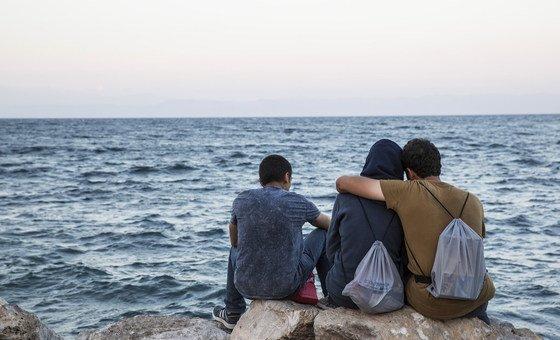
The International Organization for Migration (IOM) told UN News that at least 56 people died in a series of shipwrecks off the coasts of Senegal and Greece during the weekend of 7–9 November 2026. The UN News item on 9 November 2026 attributes the casualty figure and the description of the incidents to the IOM.
The report frames the deaths as a reminder of the deadly risks migrants face on Atlantic and Mediterranean routes but gives no breakdown of fatalities by individual wreck, no survivor totals, and no operational details about the vessels, rescue efforts, or causes of the sinkings.
Source and Framing Analysis
Primary reporting comes from UN News, which attributes the casualty total and characterization directly to the IOM. That makes the count authoritative in attribution, but the cluster currently rests on a single institutional source. The framing is humanitarian: it emphasizes mortality and systemic risk rather than political blame. Key omissions include wreck-by-wreck breakdowns, survivor counts, nationalities, rescue timelines, and verification methods. Use caution: the facts reported are credible as IOM statements, but they leave many operational details unresolved.
How sources covered this story
This section compares the evidence and framing in linked reports. The Christian assessment above addresses the conduct described in the story; it does not grade a journalist’s faith or the morality of covering an event.
Compare 1 reports
Reporting 75/100
- Distinctive contribution
- Gives a specific death toll and links the incidents to two geographic regions (Atlantic off Senegal and Mediterranean off Greece), and records IOM's characterization of the events as highlighting deadly migration risks.
- Framing
- Humanitarian framing that emphasizes mortality and the systemic risk migrants face on Atlantic and Mediterranean routes; attribution to IOM gives it an institutional voice.
- Omissions or uncertainty
- Excerpt omits breakdown of the 56 deaths by individual shipwreck, timing, nationalities or origins of the migrants, number rescued or missing, causes of the sinkings, rescue response details, and how IOM obtained/verified the toll. It is unclear whether the figure is confirmed or provisional.
- Why these scores
- Concise and responsibly attributed to a credible source (IOM); provides a concrete casualty figure and geographic scope. Limited detail and context reduce depth—no breakdown, sourcing methodology, eyewitness accounts, or response information—so it is a solid brief rather than an in-depth report.
Christian commentary · About the conduct described in this story
Biblical Reflection
situates care for strangers and the suffering as central to faithful life; it calls Christians to attend to people in peril and to respond practically. That passage asks us to see migrants as neighbors deserving mercy, not just statistics.
Given the report’s evidence gaps, a realistic Christian response is to lament, pray, and give tangible support to reputable rescue and refugee groups while pressing for fuller information and accountability from authorities and humanitarian agencies.
Scripture in context
- 1 — Jesus’ teaching in a chapter about final judgment, where feeding, sheltering, and visiting those in need are treated as service to Christ. — This passage frames migrants and shipwreck victims as neighbors who deserve mercy and practical help, motivating both immediate aid and advocacy for safer options.
A suggested response for readers, separate from the assessment above.
Faithful Response
Pray for victims and survivors, give to vetted search-and-rescue and refugee organizations, and contact local leaders or faith networks to support humane rescue and reception efforts.
Reflection and Discussion
- 1How does our faith compel us to respond to migrants’ suffering beyond media outrage?
- 2What concrete protections and practices would reflect Christian care for those risking dangerous sea crossings?
Sources
Reporting links are evidence inputs; Sanctuary News' biblical reflection is commentary.
This is a developing, single-source report. Details may change as more reporting becomes available.
- 1.At least 56 migrants die in weekend shipwrecks off Senegal and Greeceofficial_document