News Summary
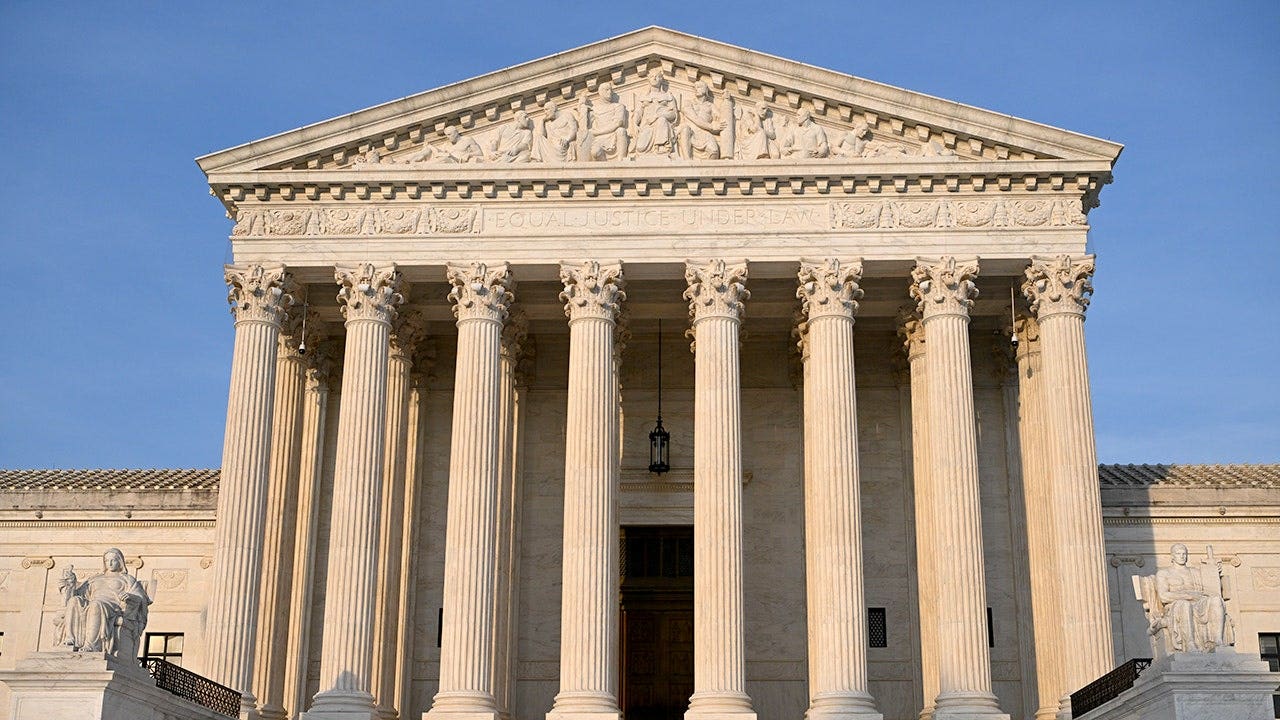
This Fox News opinion piece by John Yoo reviews several 2026 U.S. Supreme Court decisions and argues they reflect the Roberts Court’s long-term jurisprudential direction rather than partisan service to former President Donald Trump. Yoo cites specific cases: Slaughter (a 6–3 ruling recognizing broad presidential removal power over officers executing federal law), West Virginia v. B.P.J. (holding states may limit transgender athletes’ participation in sex‑segregated sports), Louisiana v. Callais (striking down the use of race in a congressional redistricting context), decisions limiting delegated agency power and campaign‑finance limits, and rulings preserving the Federal Reserve Board’s independence. He notes mixed outcomes for the Trump administration: some rulings benefited Trump where they aligned with longstanding Court trends; other Trump positions were rejected (for example, limits on tariffs, and preserving birthright citizenship and Federal Reserve independence in separate cases). Yoo contends the Court is guided by originalist or institutional principles—separation of powers, federalism, and constraining the administrative state—rather than simple allegiance to any political figure. The piece is framed as opinion and interpretation rather than straight reporting.
Biblical Reflection
As a pastoral reader, recognize two facts: this is an opinion column interpreting legal outcomes through a particular constitutional and political lens, and the decisions described have concrete effects on people's lives and civic structures. The author emphasizes restoring structural limits on government power and treating the Court as an institutional check; that emphasis reflects a worldview that prizes order, textual originalism, and limits on technocratic agencies. But other values—protection of minorities, dignity of marginalized persons, and democratic responsiveness—are also implicated by these rulings and receive less attention in the piece. Christians should weigh claims about 'nonpartisanship' carefully: legal doctrines can be framed as neutral even while producing winners and losers in the public square. Truth‑seeking requires separating factual outcomes (which cases were decided and how) from interpretive judgments about motive and direction. Pastoral concern calls us to attend both to the rule of law and to those who may be harmed or marginalized by legal changes, pressing for policies and practices that temper justice with mercy and protect vulnerable neighbors.
Scripture in context
This outlook does not yet include contextual Scripture citations. Do not treat a general biblical theme as an exegetical conclusion.
Faithful Response
No prescribed response is offered. Consider the reflection prompts below in your own church context.
Reflection and Discussion
- 1Whom does this article center—the institutional Court, a political leader, or the people affected by these rulings—and how does that focus shape the interpretation?
- 2Which goods (rule‑based order, individual liberty, minority protections, democratic accountability) are prioritized or downplayed in the piece, and what might that reveal about underlying bias?
- 3How will these legal changes materially affect neighbors who are vulnerable or have less political influence, and how should Christians respond to protect their dignity?
Sources
Reporting links are evidence inputs; Sanctuary News' biblical reflection is commentary.
This outlook currently relies on fewer than two linked sources. Broaden verification before teaching from it.
- 1.Original reportprimary