Transcript: Face the Nation with Margaret Brennan (May 24, 2026) — U.S. negotiators report progress toward an Iran agreement; interviews with Sen. Chris Van Hollen, Kevin Hassett, Reps. Mike Lawler and Josh Gottheimer, Dr. Deborah Birx, and Medal of Honor recipients
Read original source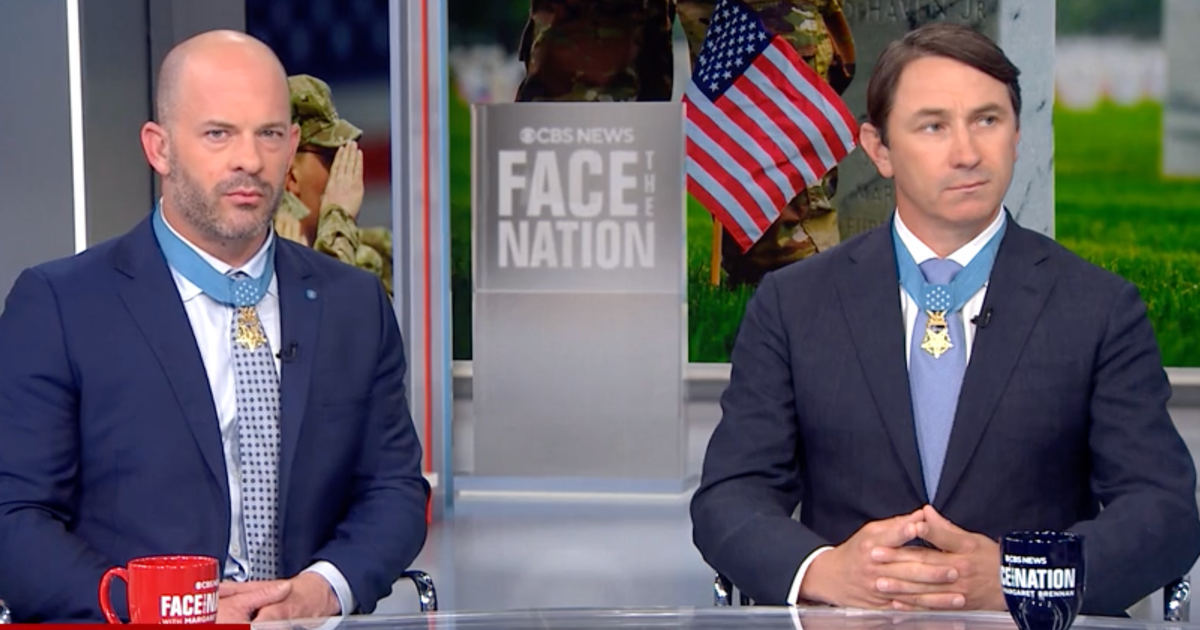
Scriptural Outlook
This is a full transcript of the May 24, 2026 Face the Nation broadcast. Key factual points: - U.S. negotiators, with mediation help from Pakistan, reported progress on a proposal to end the 13-week war with Iran that would include a process to reopen the Strait of Hormuz, unfreeze some Iranian assets held offshore, and defer some nuclear-program decisions to continued negotiations. President Trump said he would only sign a deal that prevents Iran from acquiring a nuclear weapon. Israeli leaders indicated they would retain the right to act against perceived threats. Some Republican lawmakers warned that postponing nuclear constraints would be dangerous. - Senator Chris Van Hollen (D–MD) criticized the administration for the war’s economic effects, called the DOJ fund a “political slush fund,” and said he is pushing amendments to limit eligibility (e.g., exclude those convicted of violent crimes). He also discussed a judge’s ruling throwing out federal charges against Kilmar Abrego Garcia and criticized the Democratic National Committee’s post-2024 autopsy. - Representatives Josh Gottheimer (D–NJ) and Mike Lawler (R–NY) discussed the potential Iran deal’s domestic economic impacts (e.g., gas prices if the strait reopens) and bipartisan efforts to address rising antisemitism in U.S. politics. Both spoke in favor of condemning antisemitic rhetoric and policing candidates who promote it. - Kevin Hassett, director of the National Economic Council, said macroeconomic indicators (e.g., stock indices, unemployment claims, GDP estimates) remain strong despite mixed consumer sentiment and higher gas prices. He argued the consumer-sentiment survey is politically skewed and defended the administration’s actions on the White House security funding and the DOJ payout fund as responses to prior alleged weaponization of government. - Dr. Deborah Birx warned that the Ebola outbreak in the DRC likely went undetected through multiple transmission cycles before reporting, that case counts reflect older infections, and that the U.S. and international response (including a DART team and WHO involvement) is underway. She urged examination of why existing regional detection capacity (e.g., African CDC) did not catch the outbreak earlier. - The program also included a Memorial Day segment with interviews of two Medal of Honor recipients discussing service, sacrifice, and national memory.
Christian takeaway and assessment: The broadcast covered urgent national-security, humanitarian, public-health, and political-accountability issues. From a biblical perspective Christians are called both to seek peace (shalom) and to pursue justice—these are complementary, not contradictory (e.g., Psalm 34:14; Micah 6:8). The reported U.S.–Iran negotiations appear to trade immediate humanitarian and economic relief (reopening shipping lanes, easing fuel prices, releasing some assets) against unresolved strategic risks (deferred nuclear constraints). That raises ethical questions Christians should weigh: does a tentative agreement protect innocent life and limit war’s harms now, or does postponement of core safeguards risk greater future danger? The coverage displays ordinary media patterns to note: reliance on official statements, emphasis on political conflict language (e.g., “slush fund”), and framing that privileges partisan disagreement. These tendencies can obscure the human realities behind policy decisions—civilians in conflict zones, vulnerable populations facing disease, and those harmed by perceived government overreach. Christians should practice discernment: (1) evaluate claims about motives and outcomes rather than accepting charged labels, (2) look for who is most vulnerable in each story (civilians in Iran and Lebanon, Ebola-affected communities, people harmed by prosecutorial overreach), and (3) hold leaders to accountability balanced with charity—praying for truthful reporting, wise negotiation, prudent security, and compassionate aid. Reporting that centers political horse‑race and slogans can tempt audiences toward partisan certainty rather than sober principle. The biblical ethic calls for truth, peacemaking, protection of the vulnerable, and faithful stewardship of public resources (Proverbs on wisdom and justice; Luke 10:25–37 on neighbor-love)."Proverbs 3:5-6 — "Trust in the Lord with all your heart and lean not on your own understanding; in all your ways submit to him, and he will make your paths straight.""