Mongbwalu treatment tent run by Doctors Without Borders burned during Bundibugyo Ebola outbreak in Ituri, DRC; 18 suspected patients flee
Read original source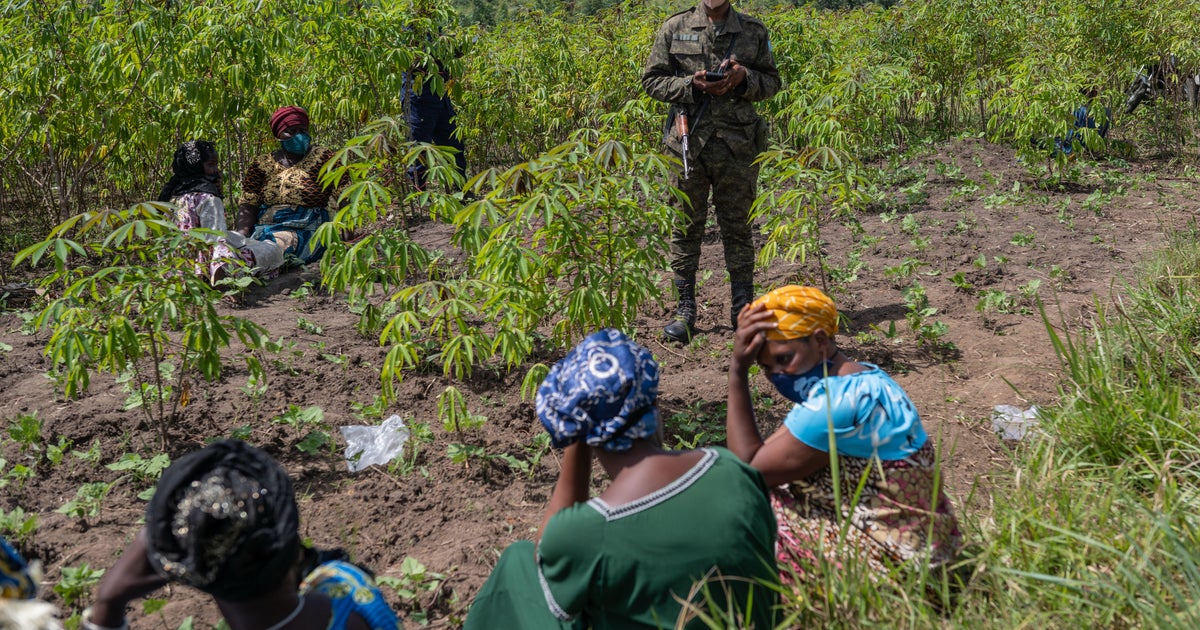
Scriptural Outlook
In Mongbwalu, Ituri province, eastern Democratic Republic of Congo, residents attacked and burned a tent used by Doctors Without Borders (MSF) to isolate suspected and confirmed Ebola patients on the night of May 23–24, 2026. No injuries were reported; however, as patients fled the fire, 18 people with suspected Ebola left the facility and became unaccounted for. This was the second attack in the region within a week: a treatment center in Rwampara was burned after family members were prevented from retrieving the body of a local man suspected to have died of Ebola. Authorities have been enforcing measures such as banning wakes and large gatherings and managing burials under security because bodies can be highly contagious. A communal burial in Rwampara was carried out under armed guard and with Red Cross teams wearing protective suits; teams reported resistance from community members. WHO has elevated the outbreak risk within Congo to "very high" and reported 101 confirmed cases, over 900 suspected cases, and 204 suspected deaths as surveillance expands; the virus is identified as Bundibugyo, for which no vaccine is currently available. An American doctor tested positive and other humanitarian workers may have been exposed; the International Federation of Red Cross and Red Crescent Societies reported three volunteers possibly infected earlier while handling corpses on March 27. Public-health officials and African CDC leaders stress the need to build trust with communities. Separately, U.S. federal health officials issued a rule restricting green card holders recently in Congo, Uganda, or South Sudan from reentering the U.S., citing public-health screening and monitoring needs.
This story shows the collision of fear, grief, and public-health necessity. The immediate facts (arson, escapes, tightened public-health measures) are straightforward, but the deeper reality includes long-standing distrust between communities and outside health actors, cultural practices around death, limited healthcare resources, and rapid fear-driven responses that can worsen disease spread. From a Christian perspective, the arson and attacks are tragic signs of human brokenness—acts born of fear, anger, and possibly misinformation—that endanger neighbors and humanitarian workers. Scripture calls Christians to value life, protect the vulnerable, and bear one another's burdens; attacking caregivers or thwarting containment measures that protect communities contradicts those responsibilities. At the same time, public-health authorities and international agencies must not dismiss legitimate community concerns: failing to listen and build relationships fuels suspicion. Media coverage here is largely factual, but readers should notice which voices are absent (local community leaders explaining motivations, longer-term government responses, and details about community engagement efforts) and be wary of framing that reduces complex distrust to simple "anti-science" sentiment. Christians should respond with both truth and mercy—advocating for effective, culturally sensitive public-health practices, supporting humanitarian workers, condemning violence, and praying and serving to meet material and emotional needs that underlie such unrest."Galatians 6:2 "Bear one another's burdens, and so fulfill the law of Christ.""