News Summary
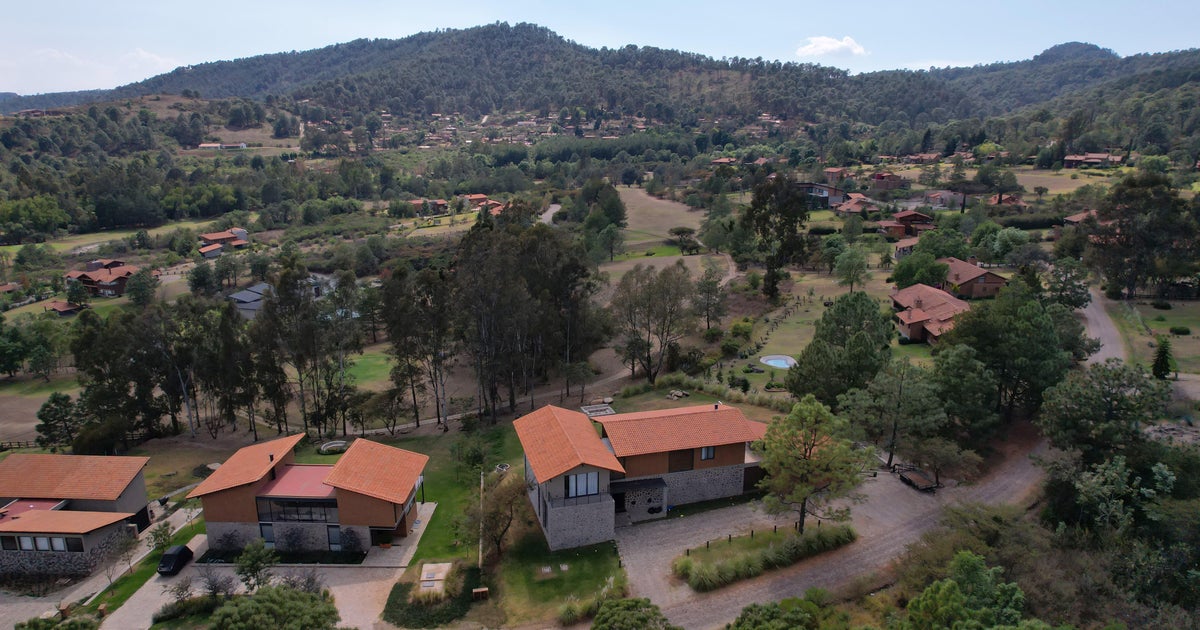
The Mexican government announced it will auction a plot of land inside the country club in Tapalpa, Jalisco, the same area where cartel leader Nemesio Oseguera ("El Mencho") was killed by Mexican army special forces on Feb. 22, 2026. Authorities did not disclose the property's prior owner and did not state that the land belonged to El Mencho. The parcel has a starting price of about $750,000 and is one of 211 properties set for auction. Mexican officials said the operation that killed Oseguera used U.S. intelligence and located him "hidden in the undergrowth"; authorities reported finding a crucifix, religious candles and a handwritten psalm at his hideout. El Mencho's death prompted violent retaliation by his cartel—roadblocks, arson and attacks that killed dozens, including 25 members of Mexico's National Guard. The article notes that CJNG was designated a Foreign Terrorist Organization in 2025. It also reports a subsequent arrest of Audias Flores Silva ("El Jardinero"), seen as a possible successor to El Mencho; U.S. authorities had offered a $5 million reward and a U.S. federal grand jury later expanded charges against him for drug trafficking and money laundering. The report references prior government auctions of assets tied to cartel leaders (e.g., properties tied to Joaquin "El Chapo" Guzman).
Biblical Reflection
This report is primarily factual but centers on a symbolic detail—the sale of land in the place where a notorious criminal died—which can invite emotional or moral framing beyond the underlying facts. The government is exercising asset-forfeiture and dispossession powers; the article notes the lack of a direct ownership link to El Mencho, which is important for accuracy but is easily overlooked when the story emphasizes location and imagery (golden casket, crucifix, psalm). Christians should recognize several layers: the legitimate need for justice and law enforcement to protect the innocent and restrain violent actors; the human tendency to sensationalize criminal figures, which can unintentionally glorify them; and the complex suffering of victims and communities caught between crime and state response. The presence of religious items at a criminal's hideout should not be taken as evidence of righteousness—Scripture warns against mere outward signs of piety. At the same time, calls for retribution must be measured against biblical principles of justice, mercy, and the rule of law. The story reminds believers to pray for victims, for true restorative justice, for government accountability in how seized assets are handled, and to avoid moral simplifications that either romanticize criminals or excuse abuses by authorities.
Scripture in context
This outlook does not yet include contextual Scripture citations. Do not treat a general biblical theme as an exegetical conclusion.
Faithful Response
No prescribed response is offered. Consider the reflection prompts below in your own church context.
Reflection and Discussion
- 1Is the article inviting us to feel triumph or spectacle because of the location and symbols, and does that distract from the human cost and need for justice for victims?
- 2Does the coverage clearly distinguish between confirmed facts (property ownership, links to the cartel) and suggestive details (location, religious items)?
- 3Are we holding both the need for public safety and the call to mercy and truthfulness together, or leaning toward uncritical celebration of state action or sensationalizing criminal figures?
Sources
Reporting links are evidence inputs; Sanctuary News' biblical reflection is commentary.
This outlook currently relies on fewer than two linked sources. Broaden verification before teaching from it.
- 1.Original reportprimary