May 24, 2026 — Suicide vehicle bombing beside passenger train in Quetta kills at least 23, wounds about 70; Balochistan Liberation Army claims responsibility
Read original source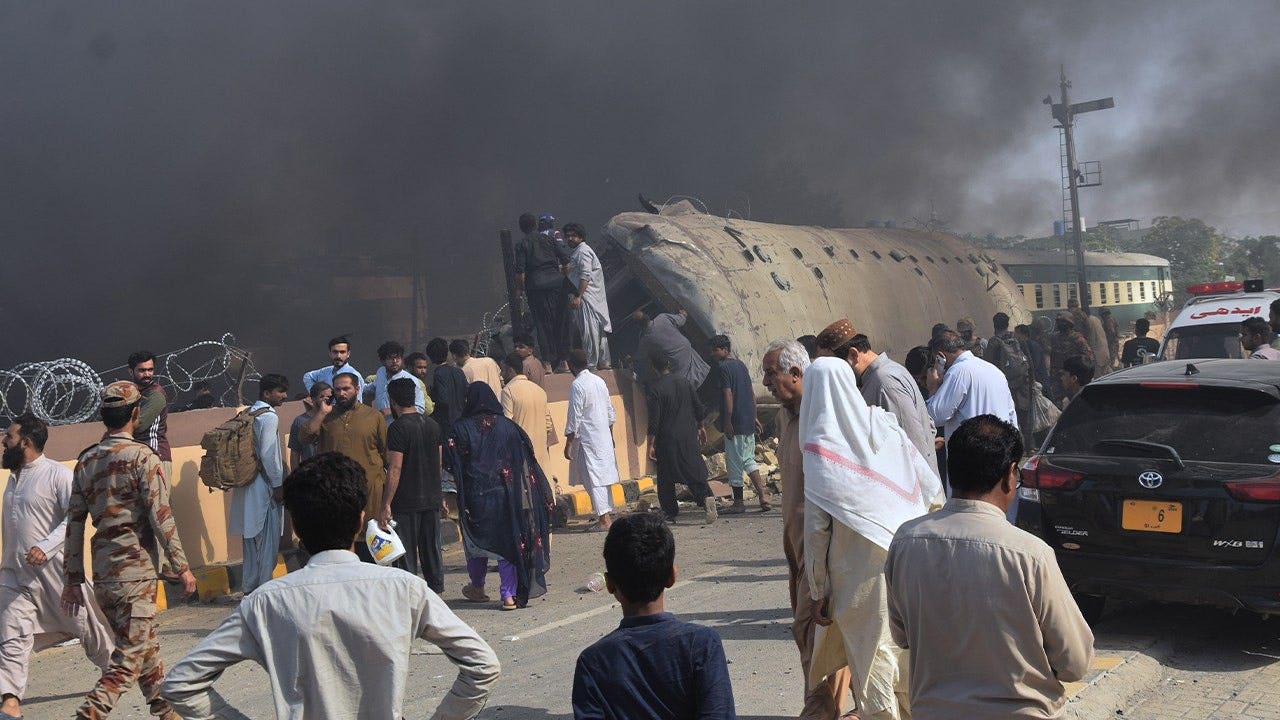
Pastoral Outlook
On May 24, 2026, an explosives-laden vehicle detonated beside a railway line near Quetta, Balochistan province, Pakistan, as a passenger train was passing. At least 23 people were killed and about 70 others injured; roughly 20 of the wounded were reported in critical condition. The blast overturned two train cars, caused fires, damaged nearby buildings and vehicles, and sent victims to local hospitals. The Balochistan Liberation Army (BLA) claimed responsibility, saying it targeted a train carrying security personnel. Some media reports said the train carried army personnel and family members traveling for Eid; officials in Balochistan accused Indian-backed proxies of supporting the attackers, an allegation India has denied. Pakistan's prime minister condemned the attack and vowed to pursue those responsible. The region has a history of separatist and militant violence, including a 2024 train-station suicide bombing that killed at least 26.
From a Christian perspective this report describes an act of deliberate violence that attacks the intrinsic dignity of human life. Scripture consistently condemns murder and calls for the protection of the vulnerable; the loss of civilian life and injury to families is morally tragic. The article is primarily factual about casualties and damage but contains competing claims — the BLA's responsibility statement and government accusations of foreign-backed proxies — which highlights how quickly violent events become entangled with political narratives. Christians should neither accept unverified blame nor treat accusations as mere politics without concern for truth. Seek careful verification: who benefits from particular framings, and what evidence is offered? Biblically we are called to pursue justice (Micah 6:8) while rejecting personal vengeance (Romans 12:17–19). The proper Christian response includes compassionate care for victims, prayer for grieving communities, truthful witness, and advocacy for measured, just responses by authorities rather than reprisals or dehumanizing rhetoric. Finally, remain mindful that media coverage can emphasize shock images and official statements; cultivate sober discernment, praying for clarity and for opportunities to bring practical aid and reconciliation where possible.Thought to Remember
“Romans 12:17-21 (ESV): "Repay no one evil for evil, but give thought to do what is honorable in the sight of all. If possible, so far as it depends on you, live peaceably with all. Beloved, never avenge yourselves, but leave it to the wrath of God, for it is written, 'Vengeance is mine, I will repay, says the Lord.' To the contrary, 'If your enemy is hungry, feed him; if he is thirsty, give him something to drink; for by so doing you will heap burning coals on his head.' Do not be overcome by evil, but overcome evil with good."”