News Summary
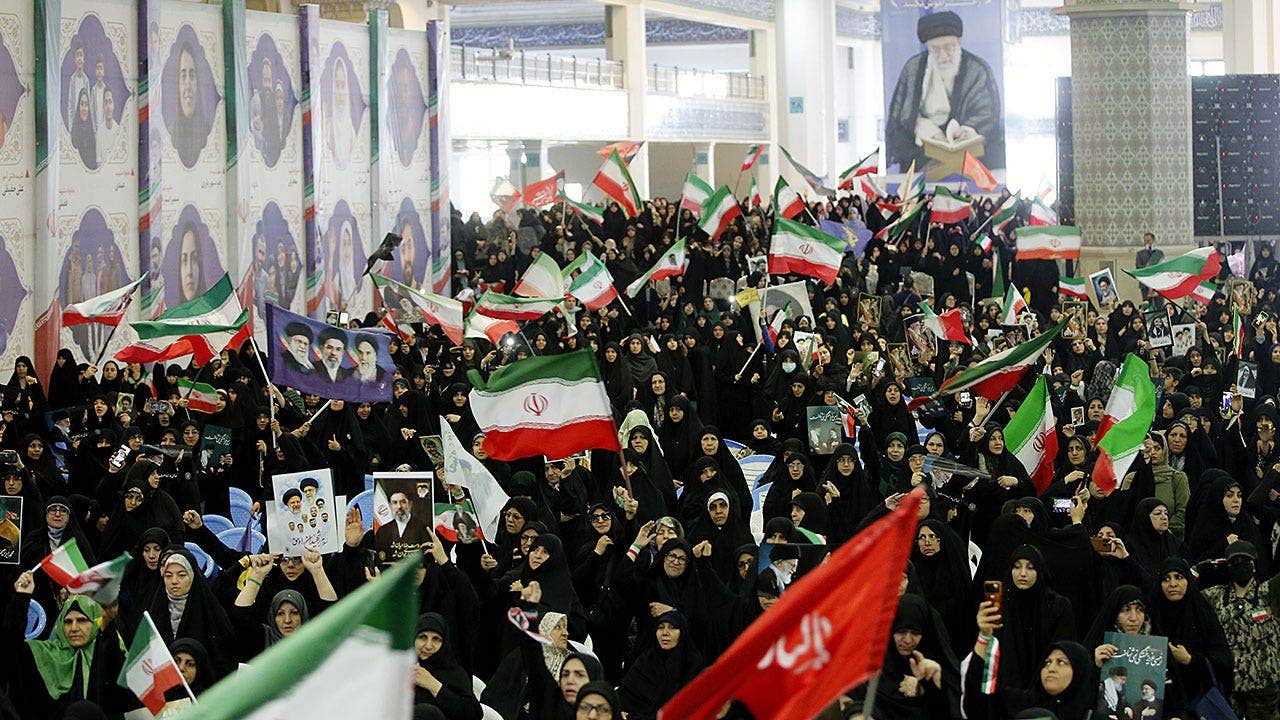
Cameron Khansarinia, chief of staff to exiled Crown Prince Reza Pahlavi, told Fox News that Iranians he speaks with are "nervous" that a potential agreement between President Donald Trump and Iran would give the Iranian regime a political and economic "lifeline." Khansarinia argued the Islamic Republic has historically broken commitments and would not honor a permanent peace deal. The article notes President Trump described negotiations with Iran as "orderly and constructive," reiterated that a U.S. blockade would remain until a signed agreement, and stated the U.S. aims to prevent Iran from obtaining a nuclear weapon. A senior U.S. administration official told Fox News the U.S. might offer "significant accommodations" on sanctions relief if Iran reciprocates on enriched uranium. The article quotes Khansarinia warning that a deal could legitimize a regime he calls criminal and that Iranians seek complete freedom. It also includes contextual imagery and mentions recent regional tensions tied to Iran, the U.S., and Israel.
Biblical Reflection
This article presents a view from an Iranian opposition adviser skeptical of diplomatic agreements with Tehran and frames a potential U.S.–Iran deal as a possible boost to an oppressive regime. From a Christian perspective, several principles are relevant. Scripture calls believers to pursue peace (Matthew 5:9; Romans 12:18) but also demands justice and compassion for the oppressed (Isaiah 1:17; Micah 6:8). The advisor’s concern— that a negotiated settlement could strengthen an abusive government—raises legitimate moral questions about whether diplomacy may inadvertently entrench injustice.
At the same time, the article largely reports a partisan perspective (an exiled royal advisor on Fox News) and mixes firsthand assertions about Iranian public sentiment with policy reporting about U.S. negotiations. Christians should note that an individual's forecast about a regime's future behavior is an opinion, not a proven outcome; prudence requires corroborating evidence from diverse sources, including independent human-rights reporting and diplomatic analysis. The gospel calls us to both hope for peace and to protect the vulnerable: support for negotiations aimed at preventing nuclear proliferation and reducing violence can be consistent with protecting life, provided safeguards for human rights and accountability are included.
In evaluating the article’s worldview, look for these tensions: the desire for immediate security (preventing weapons, stopping attacks) vs. the long-term moral cost of legitimizing oppressive governments; the legitimacy of exile opposition voices vs. potential political alignment with a negotiating administration; and the frequent framing of diplomacy as either appeasement or victory, when it is often negotiated compromise. For Christians, the goal is not merely choosing a side in partisan rhetoric but insisting that policy pursue genuine peace that advances justice, protects the innocent, and honors truth.
Scripture in context
This outlook does not yet include contextual Scripture citations. Do not treat a general biblical theme as an exegetical conclusion.
Faithful Response
No prescribed response is offered. Consider the reflection prompts below in your own church context.
Reflection and Discussion
- 1What evidence beyond rhetoric supports the claim that a negotiated deal would permanently strengthen or legitimize Iran’s current leadership?
- 2How should Christians weigh the biblical call to seek peace against the risk that compromises in diplomacy may prolong injustice or harm to the vulnerable?
- 3Whose voices are centered in this report (exiles, U.S. officials, journalists) and whose perspectives might be missing when assessing the likely impact of a deal?
Sources
Reporting links are evidence inputs; Sanctuary News' biblical reflection is commentary.
This outlook currently relies on fewer than two linked sources. Broaden verification before teaching from it.
- 1.Original reportprimary